
AI Health & Biotechnology
AI Gene Therapy Offers Non-Addictive Pain Relief
University of Pennsylvania researchers use AI mapping to target brain circuits for morphine-level pain management.
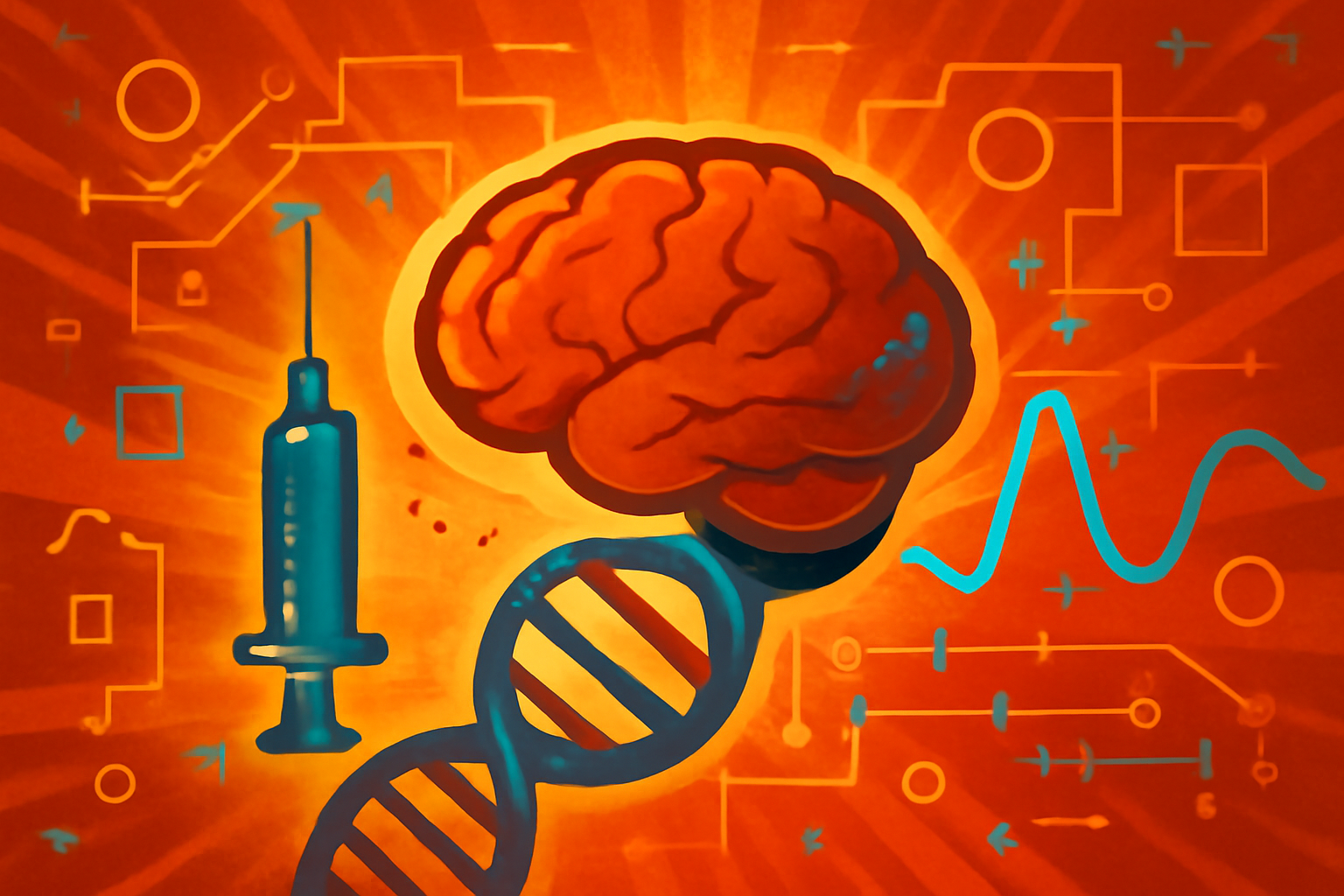
A digital rendering of a human brain with glowing neural circuits being mapped by AI for medical treatment.
Photo: Kronos News
Scientists at the University of Pennsylvania developed a gene therapy to treat chronic pain without the risk of addiction [1][2]. The team used artificial intelligence to map specific pain-processing circuits in the brain [1][3]. This allows the treatment to target only the necessary areas for relief [2]. The new therapy provides pain relief comparable to morphine [1]. However, it avoids the side effects and dependency issues associated with traditional opioids [2][3]. Researchers believe this "switch" mechanism could revolutionize how doctors manage severe pain in clinical settings [1][2].
Editorial notes
Transparency note
Drafted with LLM; human-edited
- AI assisted
- Yes
- Human review
- Yes
- Last updated
Risk assessment
The provided source list includes three links but only two independent organizational entities (ScienceDaily and University of Pennsylvania), failing the requirement for three independent domains.
Sources
- 1.↗
ScienceDaily
AI-Mapped Gene Therapy Offers Non-Addictive Pain Relief
University of Pennsylvania scientists have developed a new gene therapy that targets specific pain-processing circuits in the brain, identified using AI mapping, to provide morphine-level relief without the risk of addiction.
Back to reference
Related stories
View all


Topics
About the author
Kronos News Desk covers ai health & biotechnology and editorial analysis for Kronos News.