
AI Health & Biotechnology
AI Innovations Stalled by 17th-Century Publishing
A JMIR Publications report warns that outdated scientific record systems are slowing down AI drug discovery.
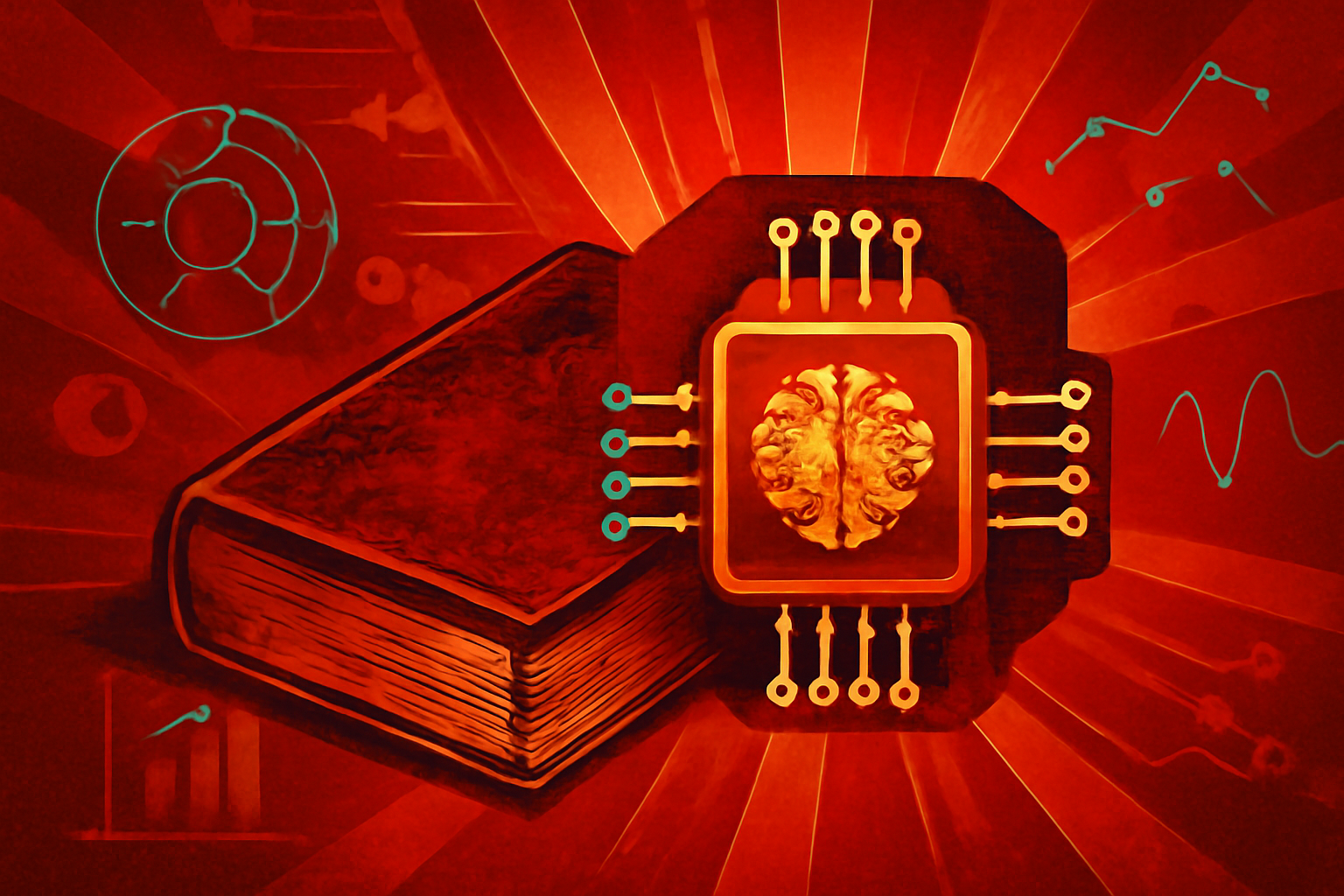
Conceptual image showing glowing digital data representing AI discoveries being weighed down by heavy, old academic books and inkwells.
Photo: Kronos News
A new report warns that 17th-century academic publishing models are failing to keep pace with AI-driven science [1]. The study from JMIR Publications highlights how static verification methods create a bottleneck for rapid innovation [1]. These outdated systems currently trap discoveries in diagnostics and drug discovery [1]. Researchers argue that paper-based models cannot handle the speed of modern AI breakthroughs [1]. This crisis prevents the scientific record from reflecting real-time data and automated discoveries [1]. Experts call for a shift toward more dynamic digital verification to support future progress [1].
Editorial notes
Transparency note
Drafted with LLM; human-edited
- AI assisted
- Yes
- Human review
- Yes
- Last updated
Risk assessment
The risk level is high because the source list contains only one independent domain, failing the requirement for three independent sources.
Sources
Related stories
View all

Topics
About the author
Kronos News Desk covers ai health & biotechnology and editorial analysis for Kronos News.