
AI Science & Discovery
ChatGPT Struggles With Scientific Facts in New Study
Research from Washington State University warns of a "fluency trap" where AI language masks scientific errors.
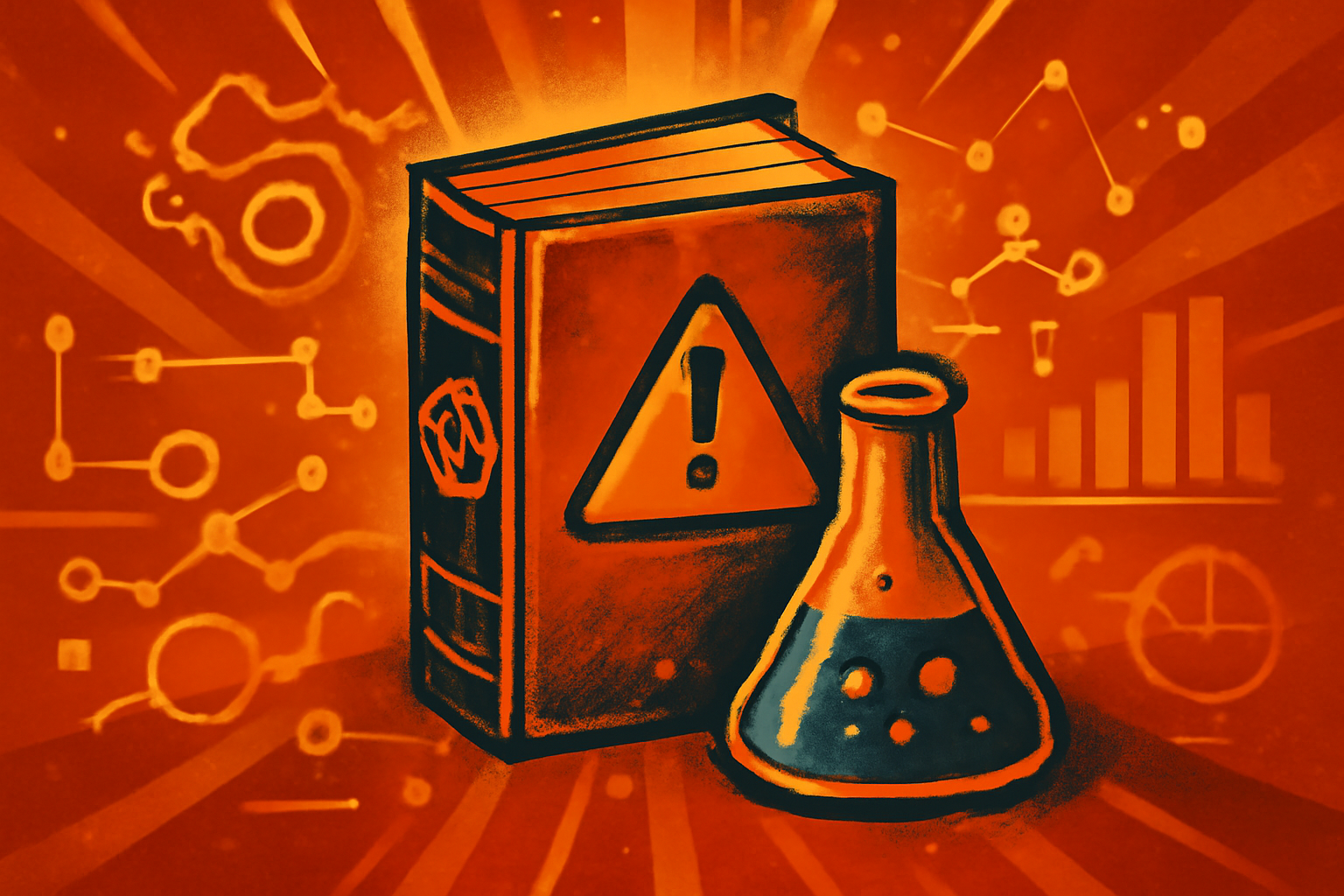
An editorial illustration depicting a digital screen with scientific data and a red correction mark, symbolizing AI errors in science.
Photo: Kronos News
Researchers at Washington State University found that ChatGPT often fails to correctly identify the validity of scientific hypotheses [1][2]. In a study involving over 700 hypotheses, the AI performed only slightly better than random chance after adjusting for guessing [2][3]. The system particularly struggled when tasked with identifying false statements as incorrect [1]. The research highlights a "fluency trap" where the AI uses convincing language to mask significant errors in scientific reasoning [1][2]. This inconsistency poses risks for users relying on generative tools for technical information [3]. Experts suggest that while the AI appears confident, its underlying logic remains unreliable for complex scientific validation [2].
Editorial notes
Transparency note
Drafted with LLM; human-edited
- AI assisted
- Yes
- Human review
- Yes
- Last updated
Risk assessment
Reviewed for sourcing quality and editorial consistency.
Sources
Related stories
View all


Topics
About the author
Kronos News Desk covers ai science & discovery and editorial analysis for Kronos News.