
AI Science & Discovery
Hippocampal Patterns Track the Meaning of Spoken Words
Recordings during story listening link neural activity patterns to word semantics, with language models used for comparison.
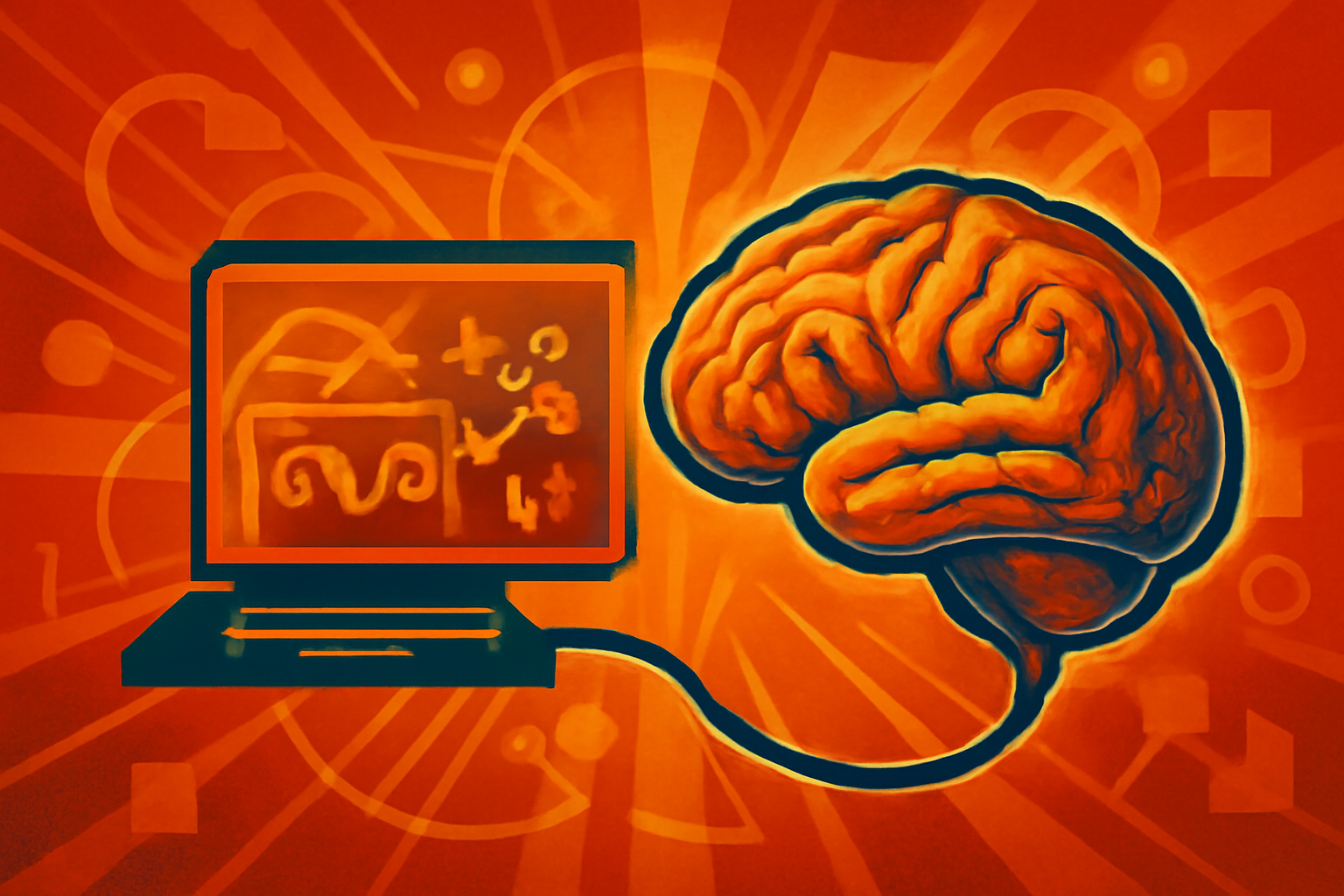
Editorial illustration of a listener hearing a story, with abstract neural activity patterns shown in the hippocampus.
Photo: Kronos News
Researchers report that patterns of activity across human hippocampal neurons reflected the meanings of words as people listened to narrative speech. The study’s encoding models found semantic signals even after accounting for phonetic features and grammar; words with more similar meanings tended to evoke more similar neural population responses. [1]
The team compared the brain patterns with representations from language models, finding the closest alignment with GPT-2 embeddings. The results suggest a distributed, context-sensitive way the hippocampus represents word meaning, but they do not show that the hippocampus alone produces comprehension or establish a clinical application. The findings come from recordings during listening and should not be taken as proof of how language processing works in everyday settings. [1]
Editorial notes
Transparency note
AI assisted drafting. Human edited and reviewed.
- AI assisted
- Yes
- Human review
- Yes
- Last updated
Risk assessment
The report relies on one research paper.
Sources
Related stories
View all

Topics
About the author
Kronos News Desk covers ai science & discovery and editorial analysis for Kronos News.