
AI Science & Discovery
Neanderthal may have died from spear wound
A shoulder-blade injury at Shanidar Cave may indicate a fatal wooden-spear strike, but its cause remains uncertain.
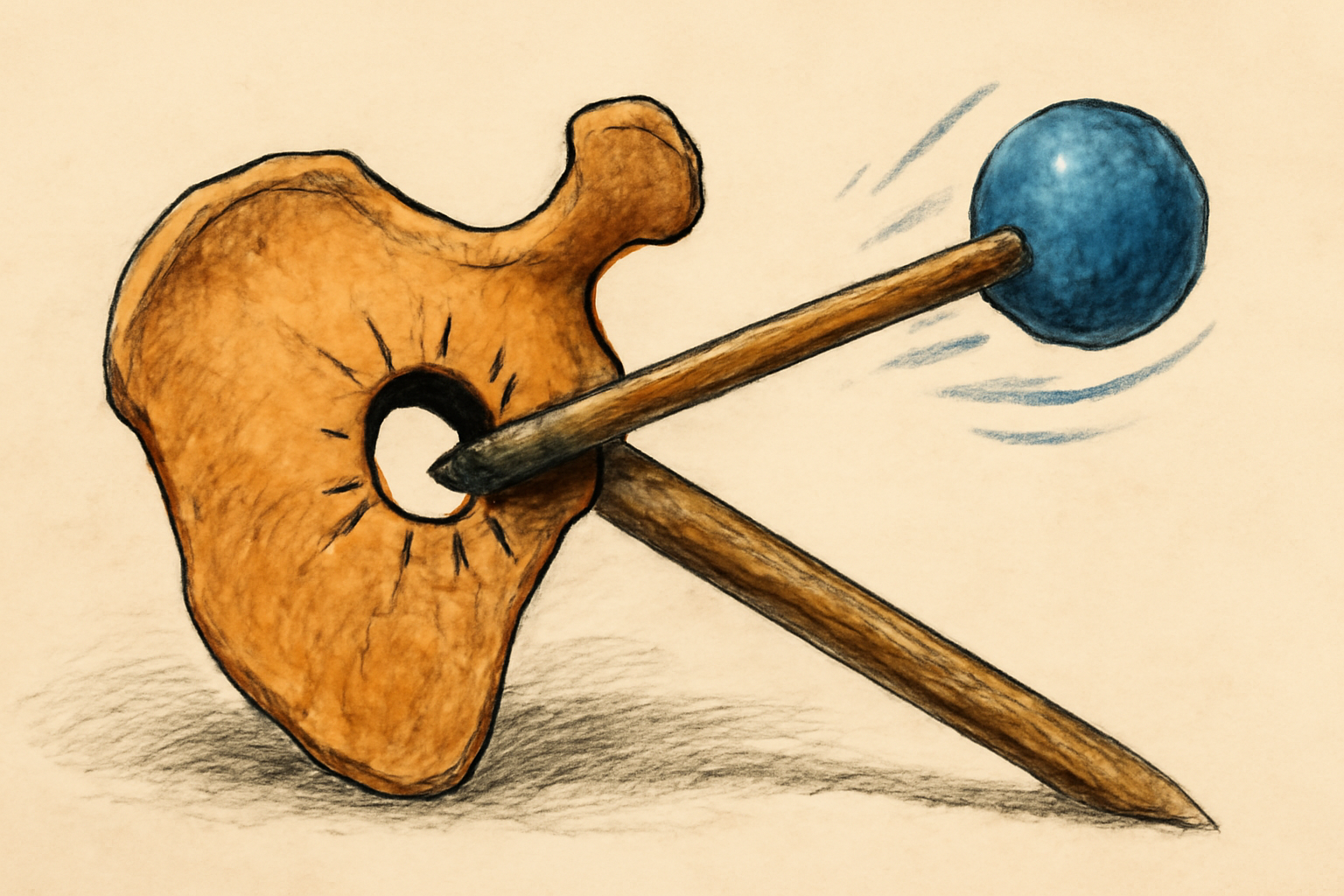
Conceptual illustration of an archaeologist examining a fossilized shoulder blade in a rocky cave.
Photo: Kronos News
A circular hole in the shoulder blade of a Neanderthal from Shanidar Cave may mark a fatal wooden-spear injury around the time of death, researchers report. The remains, named Shanidar A, were excavated in 2019 and 2022 in Iraqi Kurdistan. [1]
The researchers describe a smooth-edged hole about 15 millimeters wide, with fractures and displaced bone fragments. They propose it was made by a wooden spear thrust from the front, but say the evidence cannot show whether the injury came from a hunting accident or violence. [1]
A damaged tooth that showed signs of healing suggests Shanidar A survived an earlier facial injury, which researchers say may indicate care from others. However, an independent archaeologist told ABC the proposed cause of death needs more evidence; the study’s authors’ interpretation remains uncertain. [1][3]
Editorial notes
Transparency note
AI assisted drafting. Human edited and reviewed.
- AI assisted
- Yes
- Human review
- Yes
- Last updated
Risk assessment
The research paper could not be accessed directly through the available tools.
Sources
Related stories
View all

Topics
About the author
Kronos News Desk covers ai science & discovery and editorial analysis for Kronos News.