
AI Science & Discovery
PNNL Uses AI to Optimize Nuclear Waste Cleanup
Scientists use machine learning to turn liquid waste into glass more efficiently at the Hanford Site.
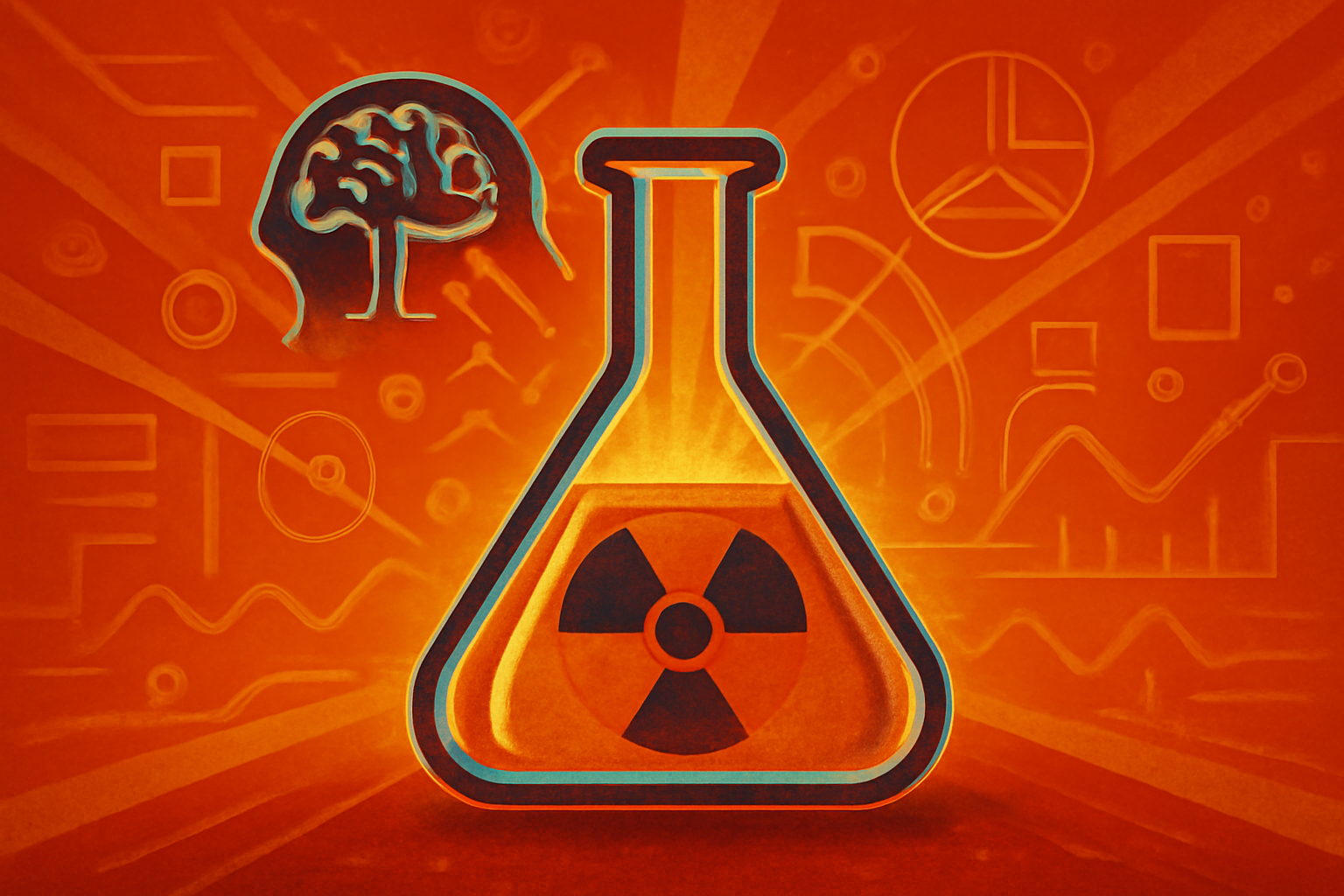
A laboratory scene showing molten glass being processed with AI data visualizations visible on a computer monitor in the background.
Photo: Kronos News
Scientists at the Pacific Northwest National Laboratory (PNNL) have developed artificial intelligence to optimize the vitrification of liquid radioactive waste [1]. This process involves turning hazardous materials into stable glass forms for long-term storage [2]. By replacing traditional mathematical equations with machine learning, the team has improved the accuracy of glass formula predictions [1][2].
This breakthrough significantly increases waste loading efficiency for nuclear cleanup at the Hanford Site [1]. Higher loading efficiency allows more waste to be stored in less glass, which could accelerate cleanup timelines [1][2]. The research demonstrates how advanced data science can solve complex environmental challenges in nuclear energy [3].
Editorial notes
Transparency note
AI assisted drafting. Human edited and reviewed.
- AI assisted
- Yes
- Human review
- Yes
- Last updated
Risk assessment
Reviewed for sourcing quality and editorial consistency.
Sources
Related stories
View all

Topics
About the author
Kronos News Desk covers ai science & discovery and editorial analysis for Kronos News.