
AI Health & Biotechnology
SPACER AI maps signals linked to T-cell recruitment
The model analyzed 37 cancer datasets, linking local antigen presentation to T-cell presence and mucins to reduced engagement.
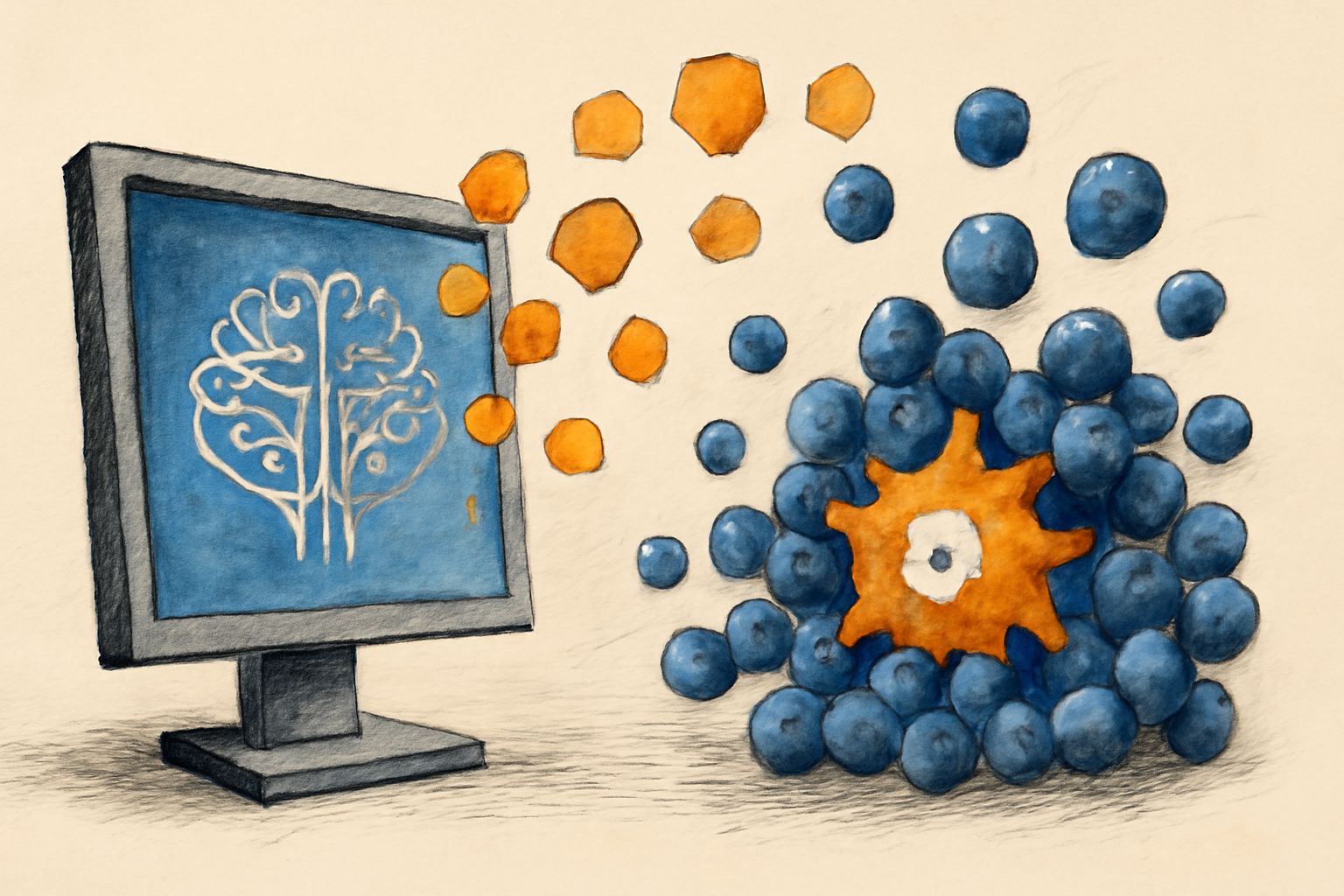
Illustration of T cells moving through tissue toward a tumor, with a dense layer representing a possible mucin barrier.
Photo: Kronos News
Researchers at UT MD Anderson and collaborating institutions developed SPACER, an interpretable AI model that analyzes spatial gene-activity data to identify signals associated with immune-cell recruitment in tissue. The team applied it to 37 datasets across several cancer types, according to the center’s summary of the study. [2]
The analysis linked tumor gene activity involved in antigen presentation with greater T-cell recruitment, while higher mucin levels were associated with reduced T-cell engagement; the researchers suggest mucins may create a physical barrier. These are associations from data analysis, not proof that mucins cause immune exclusion or that the model can guide treatment. The institutional summary says the findings appeared in Nature Biomedical Engineering, but the journal article could not be independently accessed for this verification. [2]
Editorial notes
Transparency note
AI assisted drafting. Human edited and reviewed.
- AI assisted
- Yes
- Human review
- Yes
- Last updated
Risk assessment
The primary research paper could not be accessed for independent verification, so this report relies on the institutional summary.
Sources
Related stories
View all
Topics
About the author
Kronos News Desk covers ai health & biotechnology and editorial analysis for Kronos News.