
AI Chips & Infrastructure
Superconducting chip processes fusion data at 1M samples/sec
Brookhaven says its chip classified anomalies and predicted disruptions using data from the DIII-D tokamak.
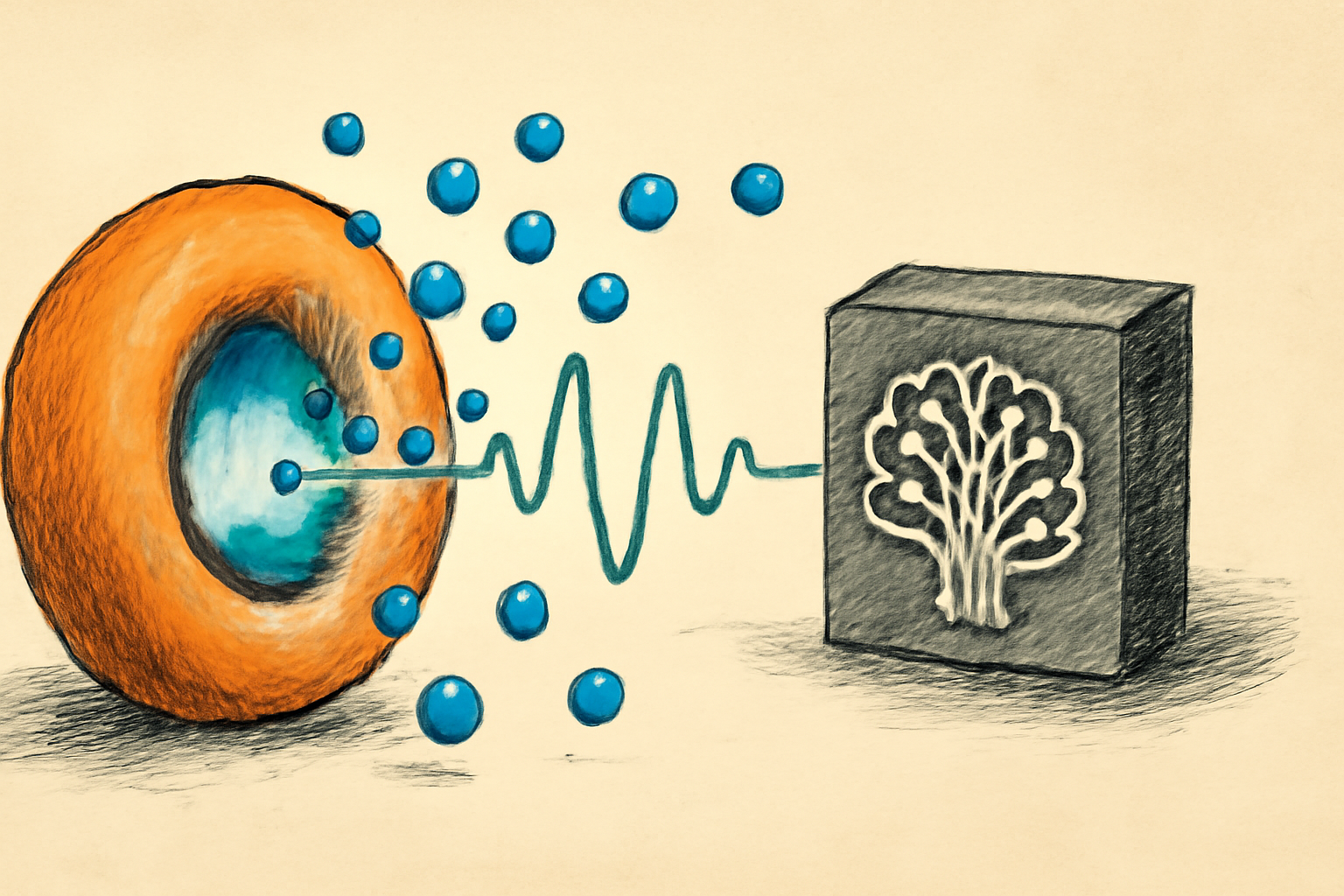
Illustration of a superconducting computing chip beside a tokamak vessel with a glowing plasma inside.
Photo: Kronos News
A superconducting neural-network chip processed fusion-plasma data at one million samples per second in a demonstration led by Brookhaven National Laboratory, keeping pace with signals collected at the DIII-D tokamak. The team used algorithms developed at Brookhaven for anomaly classification and disruption prediction. [1]
The researchers also tested the chip on simulated tokamak data, using it to predict the onset of sawtooth instabilities—rapid changes in plasma behavior. Brookhaven says the results demonstrate potential for real-time monitoring and control, but do not establish that the chip is ready for operational use. The lab said the team is preparing a paper and expects to test a larger chip at Brookhaven before a planned DIII-D deployment. [1]
Editorial notes
Transparency note
AI assisted drafting. Human edited and reviewed.
- AI assisted
- Yes
- Human review
- Yes
- Last updated
Risk assessment
The report comes from Brookhaven, a participating institution, and the team says its paper is still in preparation.
Sources
Related stories
View all

Topics
About the author
Kronos News Desk covers ai chips & infrastructure and editorial analysis for Kronos News.