
AI Health & Biotechnology
USC Awarded $6.8M for AI Rare Disease Research
ARPA-H funds the UNICORN framework to identify cell and gene therapies for rare pediatric conditions.
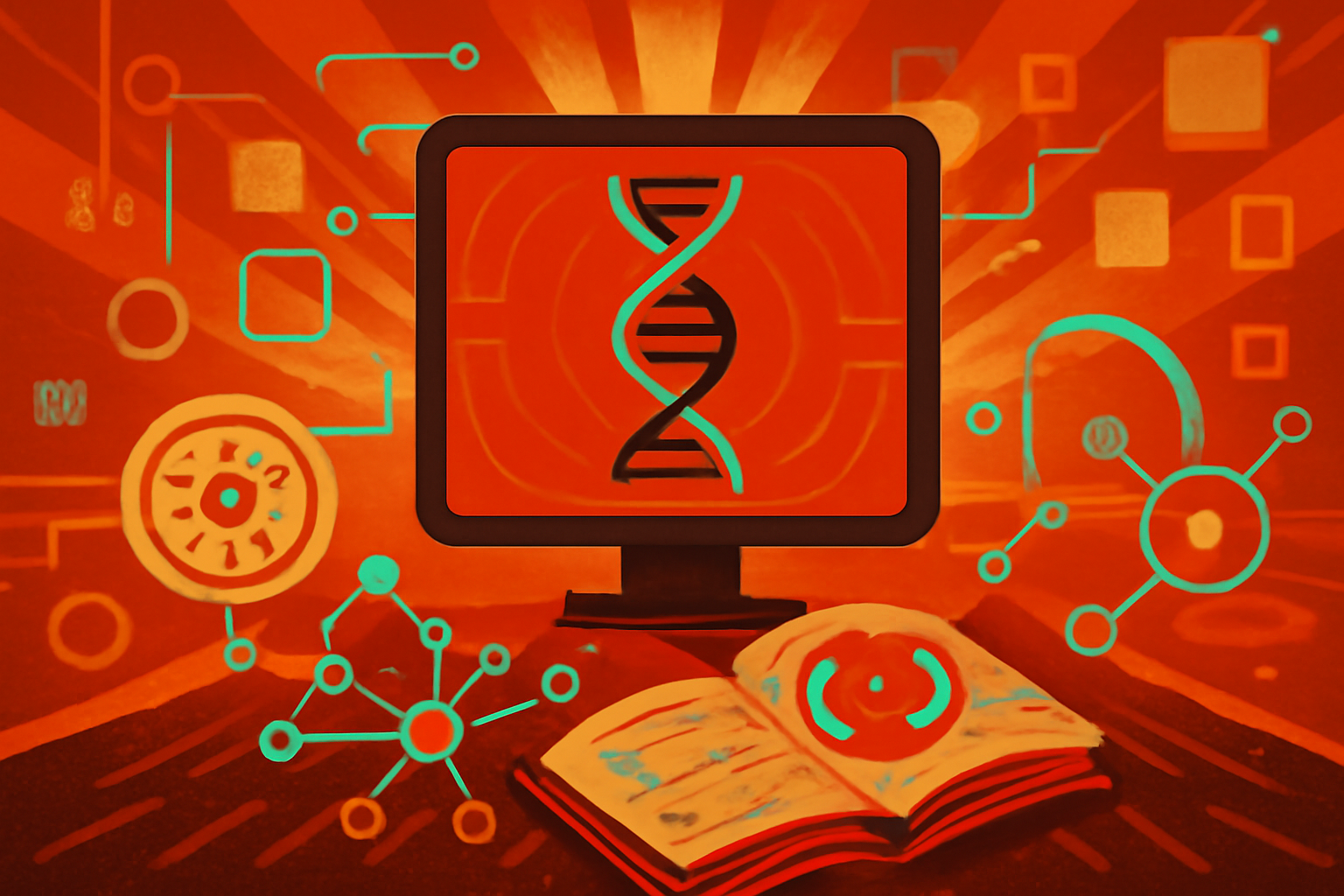
A laboratory monitor displaying a 3D DNA model and a neural network graphic, representing AI-driven medical research for rare diseases.
Photo: Kronos News
Researchers at the Keck School of Medicine of USC secured up to $6.8 million from the Advanced Research Projects Agency for Health (ARPA-H) [1][3]. The funding supports the development of the UNICORN framework, an artificial intelligence tool focused on rare pediatric diseases [1]. This platform aims to predict the most effective cell and gene therapies for children by analyzing complex biological patterns [2]. Rare diseases often lack dedicated treatment options due to their limited patient populations [1]. The UNICORN system uses AI to match patients with potentially life-saving interventions more efficiently than current methods [2]. By streamlining this discovery process, the project seeks to accelerate the delivery of new treatments to clinical settings [3].
Editorial notes
Transparency note
Drafted with LLM; human-edited
- AI assisted
- Yes
- Human review
- Yes
- Last updated
Risk assessment
Reviewed for sourcing quality and editorial consistency.
Sources
- 1.↗
keck.usc.edu
https://keck.usc.edu/news/usc-receives-funding-for-ai-tool-to-advance-treatment-for-rare-pediatric-diseases/
- 2.↗
cellgenetherapyreview.com
https://www.cellgenetherapyreview.com/3972-News/624785-USC-researchers-win-6-8M-ARPA-H-funding-to-build-AI-tools-for-CGTs/
- 3.↗
arpa-h.gov
https://arpa-h.gov/explore-funding/awards/3896
Related stories
View all

Topics
About the author
Kronos News Desk covers ai health & biotechnology and editorial analysis for Kronos News.