
AI Health & Biotechnology
AI Identifies IRS4 as New Target for Solid Tumors
St. Jude researchers use AI and genetic data to pinpoint a cancer dependency with low risk of side effects.
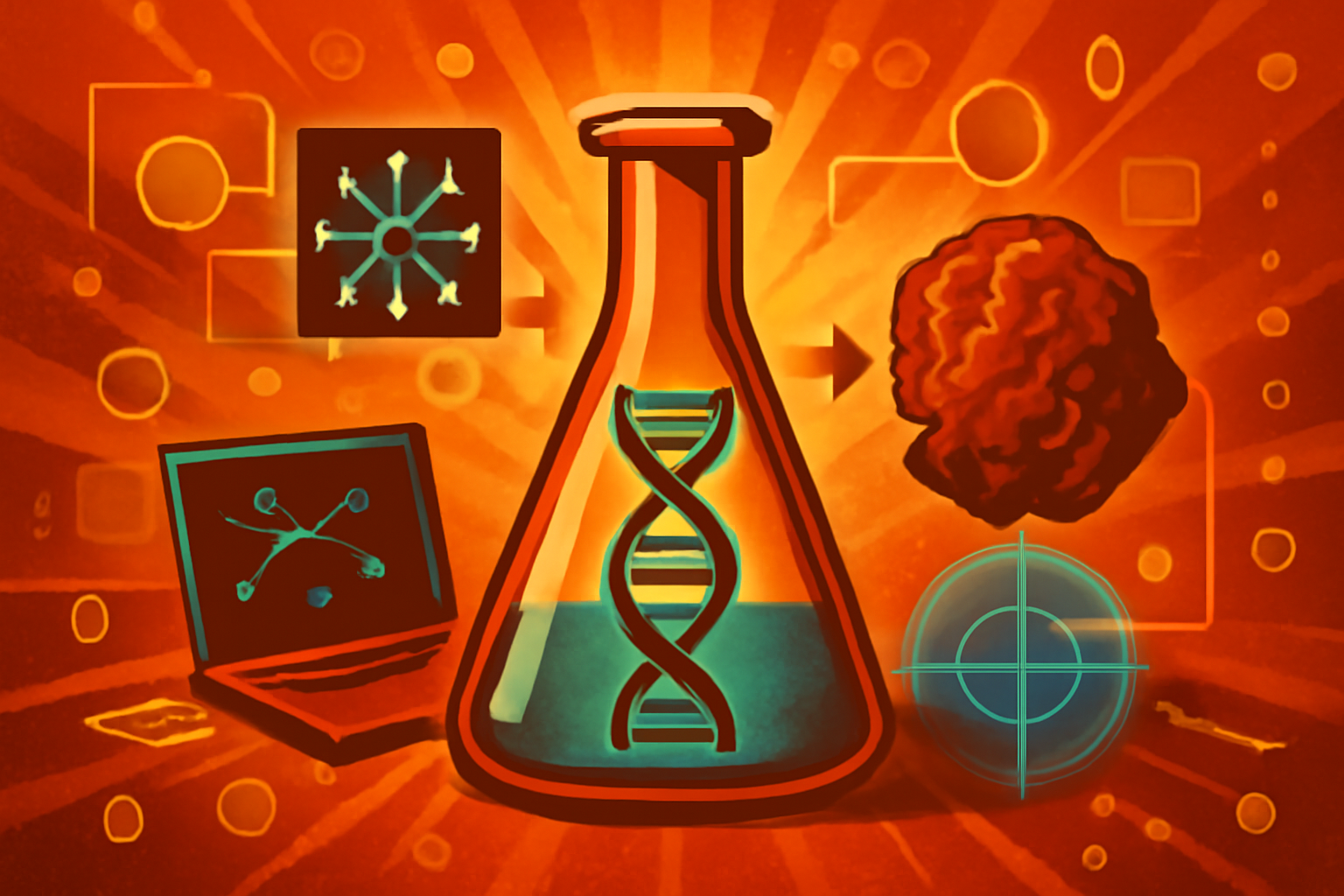
A digital visualization of genetic data and molecular structures being analyzed by an artificial intelligence interface for cancer research.
Photo: Kronos News
Investigators at St. Jude Children's Research Hospital identified IRS4 as a potential dependency in several solid tumor types [1]. The team used an AI-assisted approach to analyze genetic data and prioritize specific targets [1]. This method identifies weaknesses in cancer cells while minimizing risks to healthy tissues [1].
The model specifically prioritized targets with a limited risk of side effects [1]. By evaluating potential drug toxicity early in the search, researchers aim to streamline the development of new treatments [1]. This study provides a proof of principle for using machine learning to find safer therapeutic options [1].
Editorial notes
Transparency note
AI assisted drafting. Human edited and reviewed.
- AI assisted
- Yes
- Human review
- Yes
- Last updated
Risk assessment
The risk level is elevated to high because the report relies on a single source domain (stjude.org), which does not meet the recommendation of three independent domains.
Sources
Related stories
View all


Topics
About the author
Kronos News Desk covers ai health & biotechnology and editorial analysis for Kronos News.