
AI Science & Discovery
AI Mental Verbs Mislead Public on Capabilities
Iowa State University researchers warn that using human-like language for machines creates false expectations.
An illustration of a robot head made of data lines next to the word 'THINK' in blue light.
Photo: Kronos News
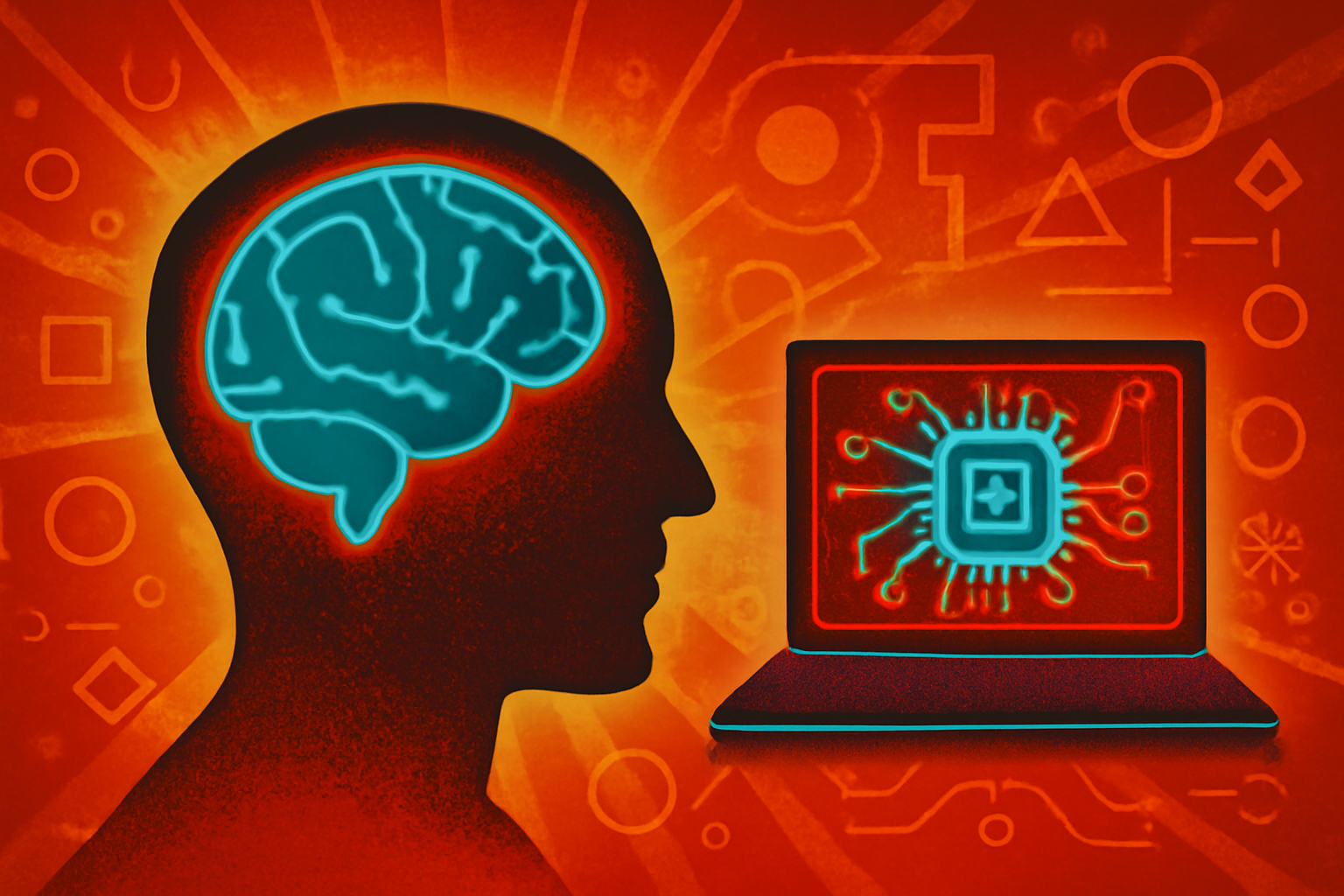
Researchers at Iowa State University found that human-like language used to describe AI can mislead the public. The study, published in Technical Communication Quarterly, analyzed how media describes machine learning [1]. Using mental verbs such as "think" or "understand" blurs the line between human cognition and data processing [1]. This anthropomorphism may create unrealistic expectations for AI reliability [1]. The research suggests that using terms that imply human emotion or intent hides how AI truly functions [1]. Clearer communication is needed to distinguish machine processing from human thought [1].
Editorial notes
Transparency note
Drafted with LLM; human-edited
- AI assisted
- Yes
- Human review
- Yes
- Last updated
Risk assessment
The story relies on a single source domain (ScienceDaily), failing the requirement for three independent domains.
Sources
Related stories
View all


Topics
About the author
Kronos News Desk covers ai science & discovery and editorial analysis for Kronos News.