
AI Robotics & Autonomy
Artificial Eyes Using Photomemristors Adapt to Light
Penn State researchers develop bio-inspired vision systems for robots to handle rapid light changes in seconds.
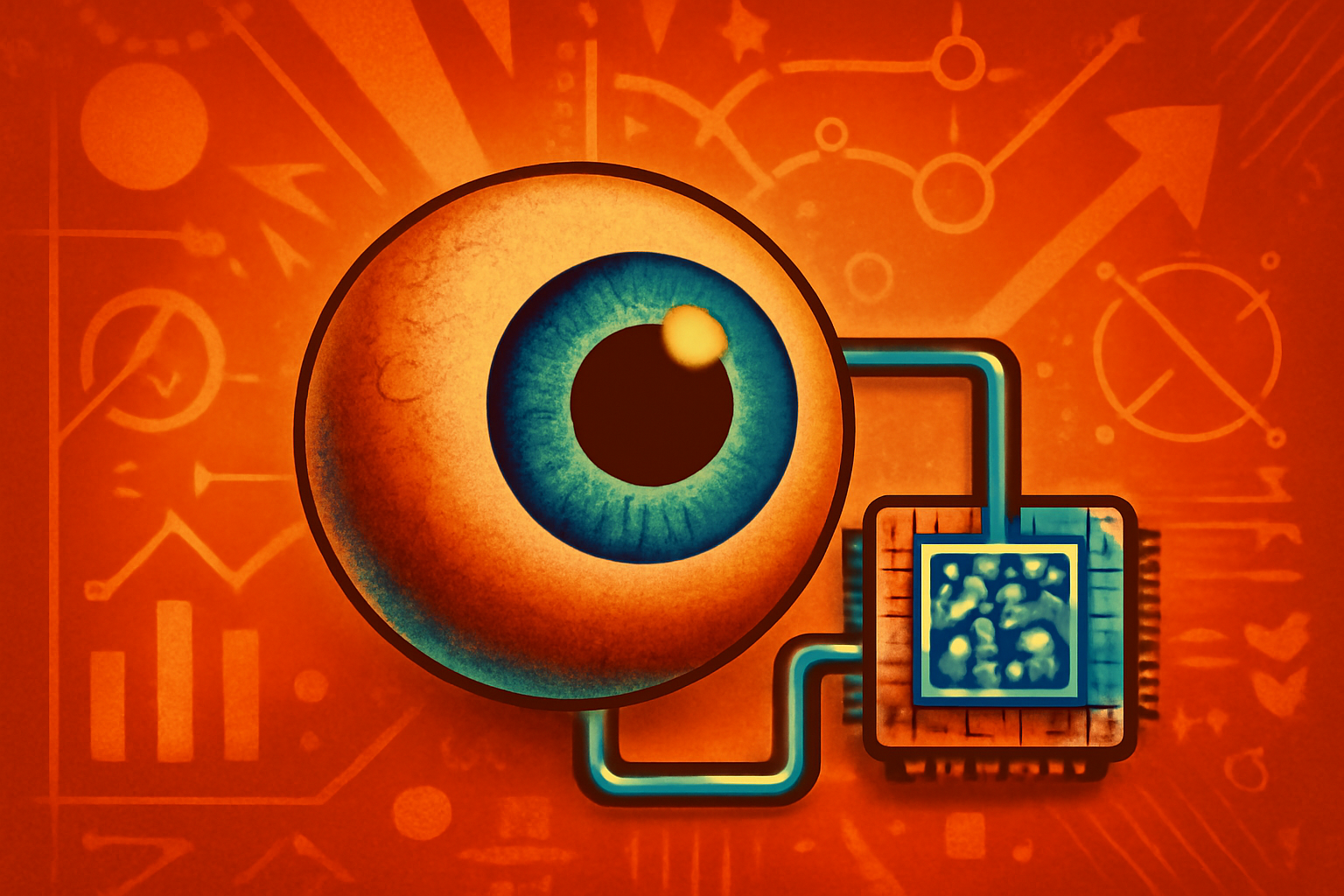
A close-up of a bio-inspired photomemristor sensor on a circuit board, designed to mimic the light-adaptive capabilities of a human eye.
Photo: Kronos News
Researchers at Penn State have created a new photomemristor that mimics the human eye's ability to adjust to light [1]. This device allows robots and autonomous vehicles to transition between bright and dark environments within seconds [1]. Unlike current AI systems, this technology uses a physical mechanism that reacts to light levels [1].
The artificial eyes utilize a design that expands or desorbs water based on the surrounding brightness [1]. This mimics biological mechanics, potentially allowing machines to process visual data faster than traditional digital sensors [1]. Such advancements could improve safety for self-driving cars operating in fluctuating conditions [1].
Editorial notes
Transparency note
AI assisted drafting. Human edited and reviewed.
- AI assisted
- Yes
- Human review
- Yes
- Last updated
Risk assessment
Sourcing is limited to a single domain (EurekAlert!).
Sources
Related stories
View all


Topics
About the author
Kronos News Desk covers ai robotics & autonomy and editorial analysis for Kronos News.