
Halzen Wins Nobel Physics Prize for AI-Led Discovery
IceCube lead credits artificial intelligence for mapping high-energy neutrinos in the Milky Way galaxy.
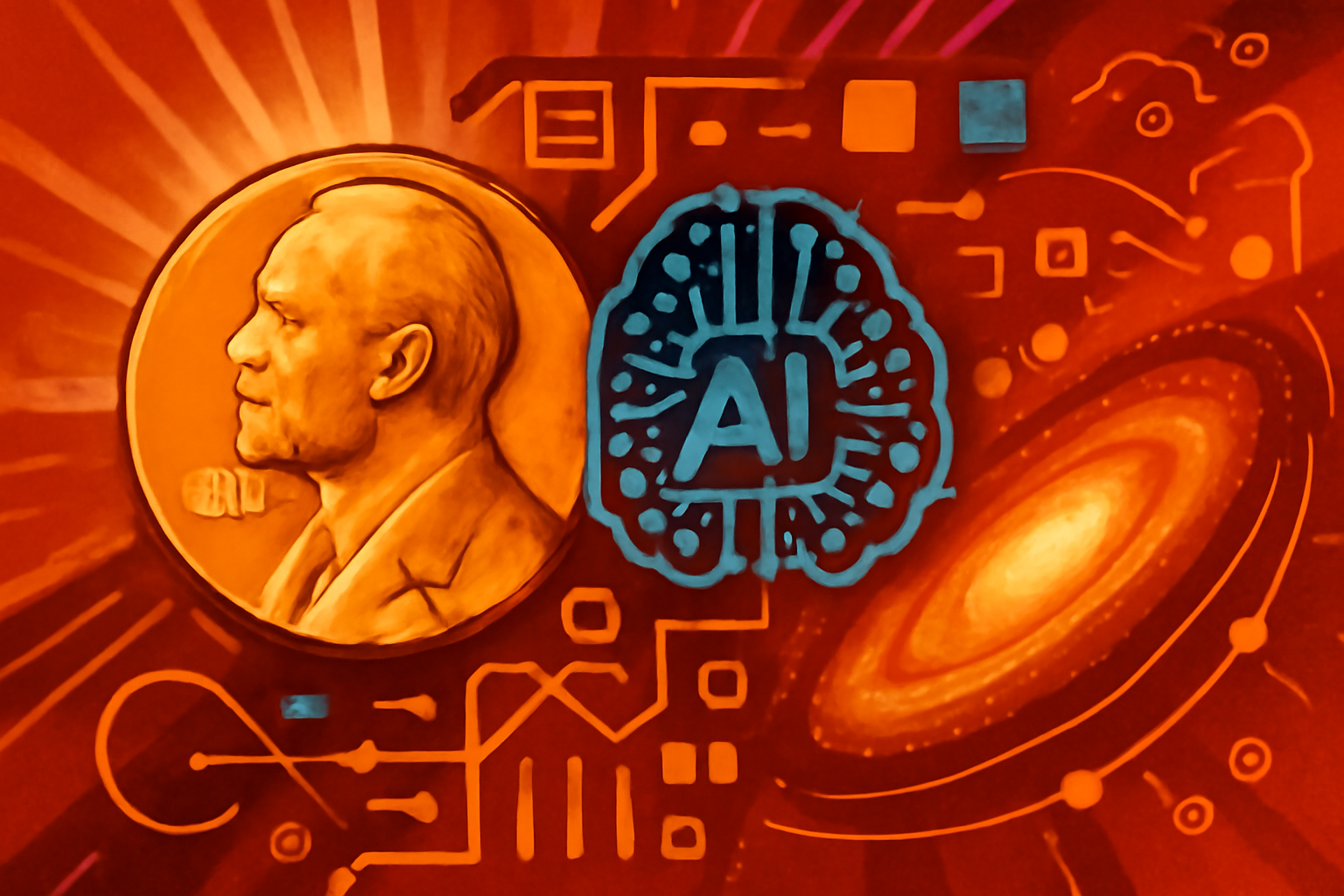
A scientific illustration of a neutrino observatory under deep ice, with blue digital light forming the shape of the Milky Way.
Photo: Kronos News
Francis Halzen won the 2026 Nobel Prize in Physics for his work with the IceCube Neutrino Observatory [2]. Halzen led the project to detect high-energy neutrinos using sensors buried under Antarctic ice [3]. He credited artificial intelligence for its role in analyzing massive datasets to reach this milestone [1].
AI helped researchers uncover new scientific insights into the Milky Way [1]. The technology processed complex signals from the observatory to map the galaxy through neutrinos [3]. This achievement demonstrates the growing impact of machine learning on fundamental science [2].
Editorial notes
Transparency note
AI assisted drafting. Human edited and reviewed.
- AI assisted
- Yes
- Human review
- Yes
- Last updated
Risk assessment
Reviewed for sourcing quality and editorial consistency.
Sources
Related stories
View all
Topics
About the author
Kronos News Desk covers news and editorial analysis for Kronos News.