
AI Models & Agents
Training Humans to Spot AI Faces in Deepfake Battle
ANU researchers demonstrate that specific training allows people to identify synthetic imagery with high accuracy.
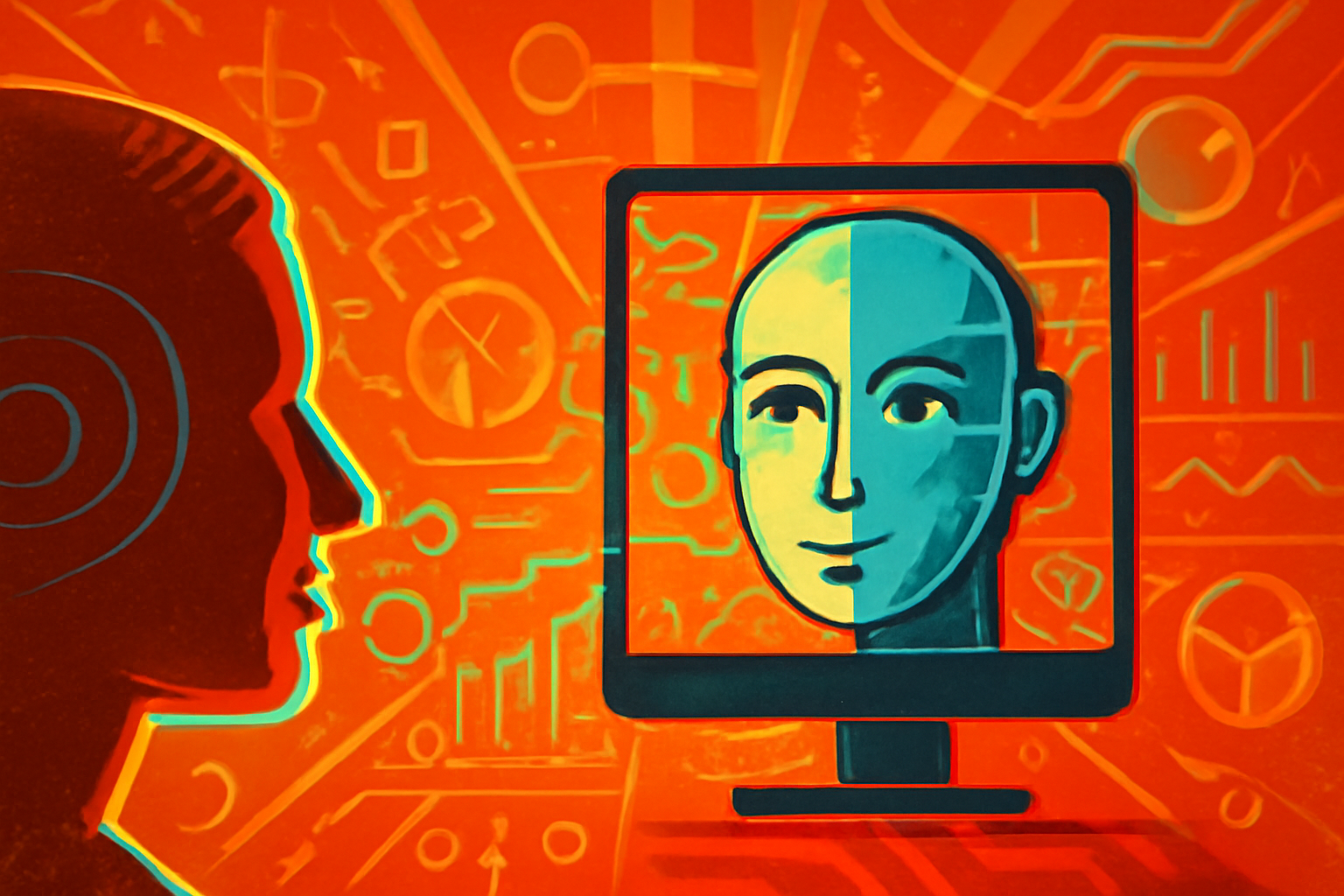
A person examines two digital portraits on a monitor to distinguish between a real human face and an AI-generated deepfake.
Photo: Kronos News
Researchers at the Australian National University (ANU) developed a training method to help humans identify AI-generated faces [1]. The study, published in the journal PNAS, shows that people can achieve near-perfect accuracy in spotting deepfakes [1][2]. This breakthrough aims to combat the rising threat of deepfake fraud globally [1][3].
The training focuses on global characteristics that current artificial intelligence still fails to replicate accurately [1]. While AI technology evolves quickly, these specific visual cues remain a challenge for generators [2]. Experts believe this human-centric approach is a vital tool against digital deception [3].
This initiative marks a significant step in the battle against synthetic imagery [2]. By empowering individuals with detection skills, researchers hope to reduce the effectiveness of fraudulent deepfake campaigns [1][3].
Editorial notes
Transparency note
AI assisted drafting. Human edited and reviewed.
- AI assisted
- Yes
- Human review
- Yes
- Last updated
Risk assessment
Reviewed for sourcing quality and editorial consistency.
Sources
Related stories
View all

Topics
About the author
Kronos News Desk covers ai models & agents and editorial analysis for Kronos News.