
AI Health & Biotechnology
UPenn Lab Uses AI to Speed Up Drug Discovery Timelines
Researchers at AIRFoundry use AI and robotics to cut drug development times from 10 years down to six months.
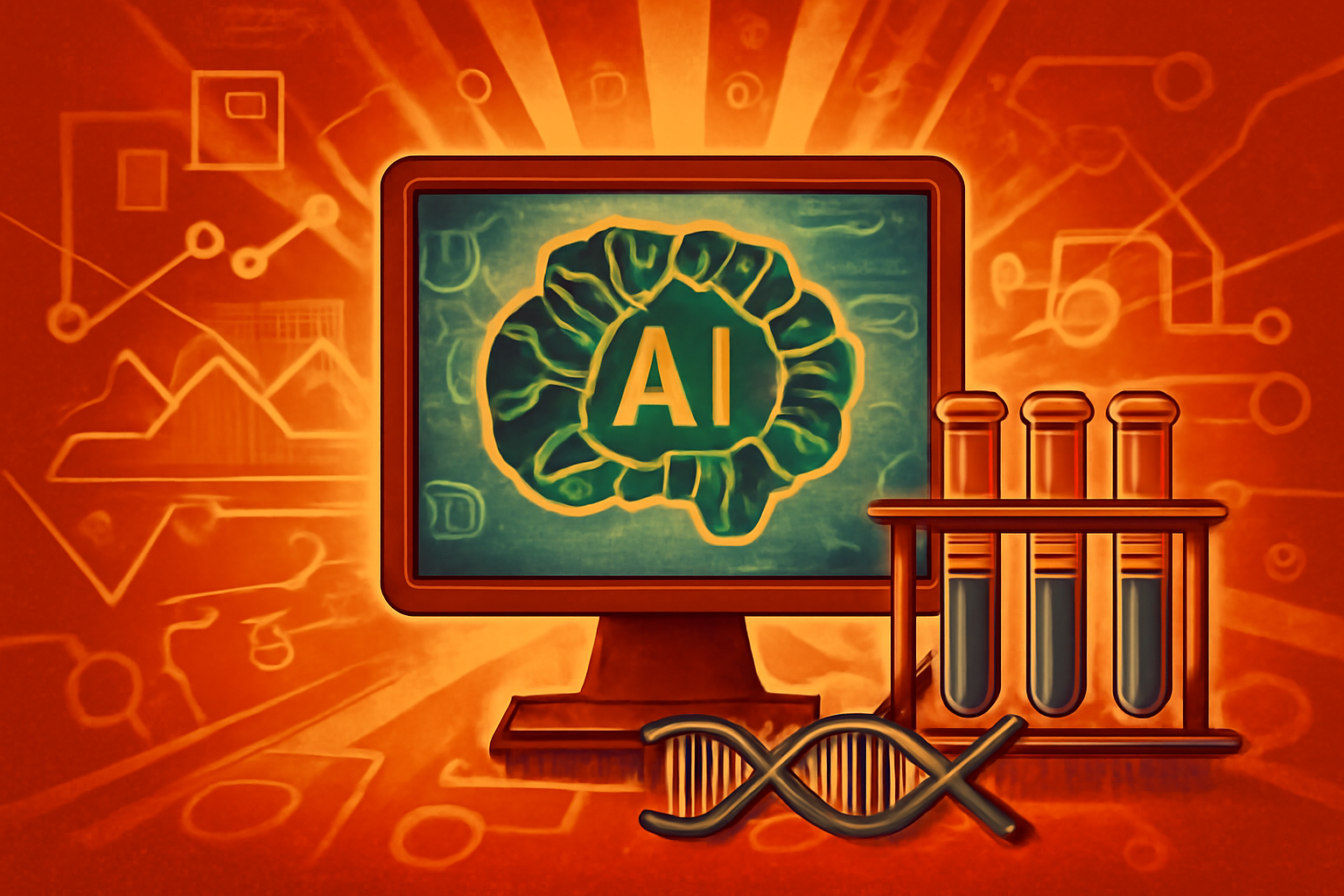
A sophisticated biomedical laboratory featuring a robotic arm and digital displays of molecular models used for AI-driven drug discovery.
Photo: Kronos News
Researchers at the University of Pennsylvania's AIRFoundry laboratory are using artificial intelligence and robotics to transform biomedical research [1]. The facility automates the discovery of RNA-based medicines and complex drug delivery systems [1]. This technological shift allows scientists to compress traditional research timelines significantly [1].
By integrating advanced technology, the lab aims to shorten drug development cycles that typically take 10 years [1]. Current demonstrations show these processes can be completed in just six months or even a few weeks [1]. The project highlights the growing role of automation and AI in Philadelphia's biotech sector [1].
Editorial notes
Transparency note
AI assisted drafting. Human edited and reviewed.
- AI assisted
- Yes
- Human review
- Yes
- Last updated
Risk assessment
The risk level is set to high because the story relies on a single source domain, failing the checklist requirement for at least three independent domains.
Sources
Related stories
View all

Topics
About the author
Kronos News Desk covers ai health & biotechnology and editorial analysis for Kronos News.